
To boldly go where gaming has gone before — but with a nostalgic twist.
There’s a new kind of mission underway in the Star Trek universe — and it’s not set in some distant quadrant. It’s happening right here, on old consoles, chunky CRT screens, and modern emulators. Fans are boldly going back in time to rediscover Star Trek’s early video games, and the movement has picked up warp speed.
The interest in Star Trek video games (and retro video games as a whole) was on full display this past weekend at the 10th annual Retro World Expo in Hartford, CT — where a variety of Trek games for NES, SNES, Genesis and Xbox could be found at the dealer tables.
From Phaser Pixels to Playable History
Long before 4K graphics and massive open-world titles, there were the early Star Trek console games — blocky, bright, and brimming with imagination. Games like Star Trek: Strategic Operations Simulator (Atari 2600, 1983) and Star Trek: 25th Anniversary (NES, 1992) offered players a chance to sit in the captain’s chair and chart a course through pixelated galaxies. Sure, the graphics were simple and the sound effects were little more than bleeps and bloops, but for fans of Kirk, Spock, and the Federation, these games were pure magic.
The Retro Revival Goes to Warp
So why the sudden resurgence? Part of it comes down to the booming culture of retro gaming. As players tire of endless online shooters and sprawling open-world grinds, the charm of “simpler times” in gaming is hitting a nerve. Emulators, digital re-releases, and small-scale reissues have made it easy for fans to beam up their favorite games from decades past. Platforms like Steam and the Internet Archive now host dozens of playable Star Trek classics — complete with updated interfaces and controller support.
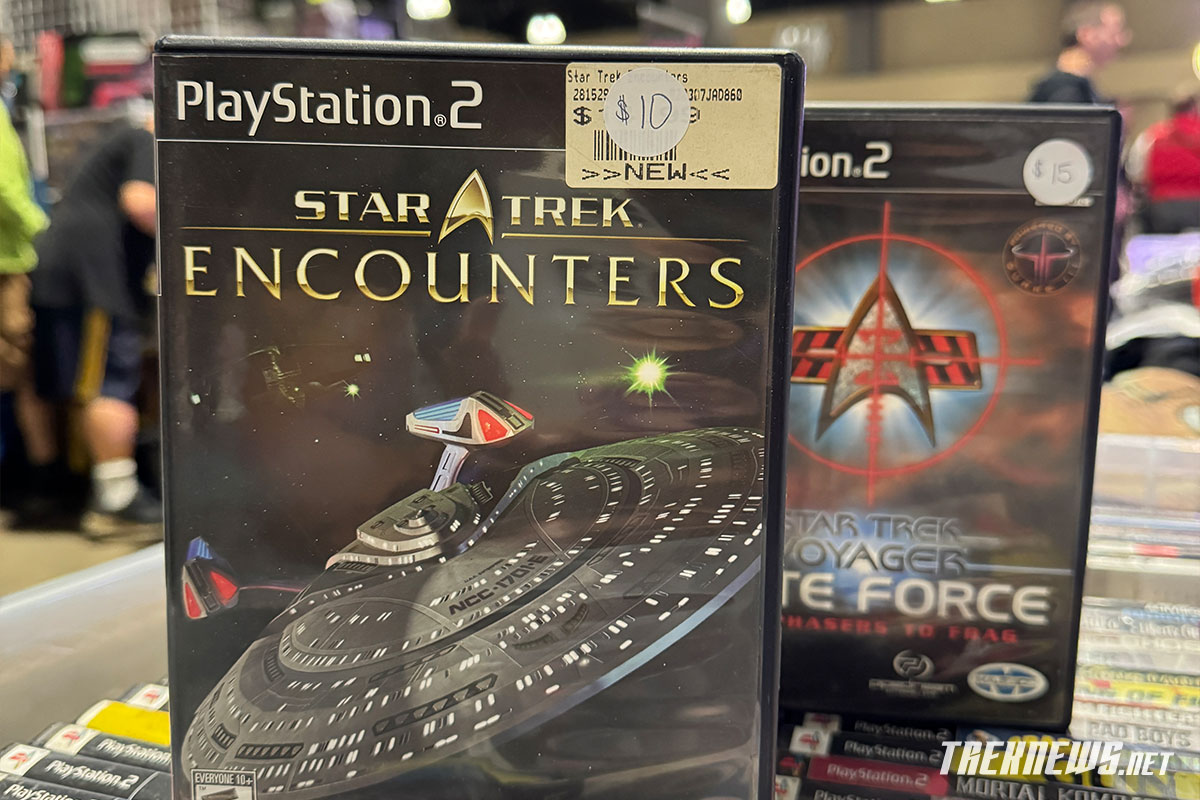
The Power of Nostalgia (and Discovery)
For older fans, revisiting these games is like opening a Starfleet time capsule. But what’s surprising is how many new players are getting into them, too. Younger fans raised on Star Trek: Discovery, Picard, or Strange New Worlds are diving into these digital relics to see where the franchise’s gaming legacy began. For them, it’s less about nostalgia and more about discovery — a chance to understand how game designers once tried to capture Roddenberry’s vision of exploration and ethics within 8-bit constraints.
Social media and content creation have also given the retro revival a turbo boost. Twitch streamers and YouTube creators have begun spotlighting old Star Trek games — often playing them blind for the first time — and sharing the hilariously awkward controls and surprisingly deep storytelling moments. Entire communities have sprung up around watching these digital voyages, analyzing how 1980s developers tackled themes of diplomacy and morality using nothing more than a joystick and a few lines of code.

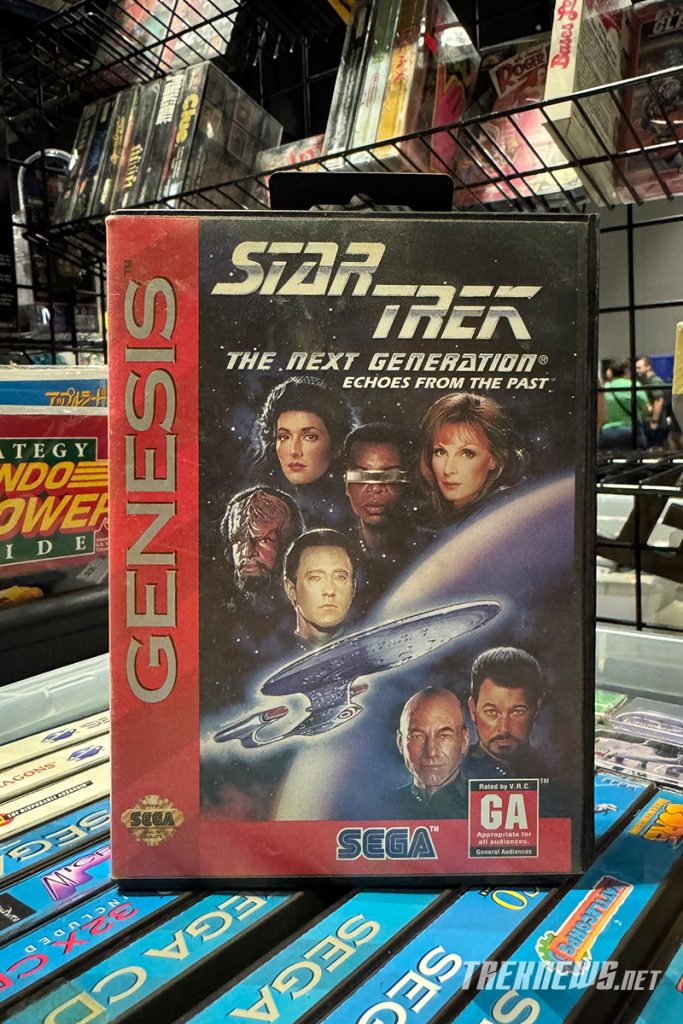
When Old Meets New and Why It Matters
Even developers are paying attention. Indie hits like FTL: Faster Than Light and Star Trek: Resurgence owe a clear debt to the retro titles of the past, blending the spirit of starship management and exploration with modern storytelling. The influence is unmistakable — from resource balancing to tough moral choices, today’s space games often echo the design DNA of those early Star Trek experiments.
The comeback of Star Trek retro games isn’t just a fun nostalgia trip. It’s also a reminder that gaming can be more than just fast reflexes and flashy graphics. These old titles embodied Star Trek’s core values — curiosity, cooperation, and optimism about the future. Instead of conquering galaxies, you were charting them. Instead of blasting enemies, you were negotiating peace. In many ways, these games were ahead of their time.
![PC Longplay [501] Star Trek: 25th Anniversary](https://i.ytimg.com/vi/70iE0FQ_qcY/hqdefault.jpg)
Back to the Bridge
As gaming technology continues to evolve, it’s comforting to see players looking backward as well as forward. Whether it’s through restored cartridges, emulators, or remastered collections, Star Trek’s early gaming adventures are finding new audiences who appreciate their quirky charm and pioneering spirit.
After all, there’s something timeless about piloting the Enterprise, even in 8-bit form. It’s proof that no matter how far technology advances, the heart of Star Trek — its spirit of adventure and hope — will always find a way to live long and prosper.
Stay tuned to TrekNews.net for all the latest news on Star Trek: Strange New Worlds, Star Trek: Starfleet Academy, Star Trek: Section 31, Star Trek: Lower Decks, Star Trek: Picard, Star Trek: Discovery, Star Trek: Prodigy, and more.